
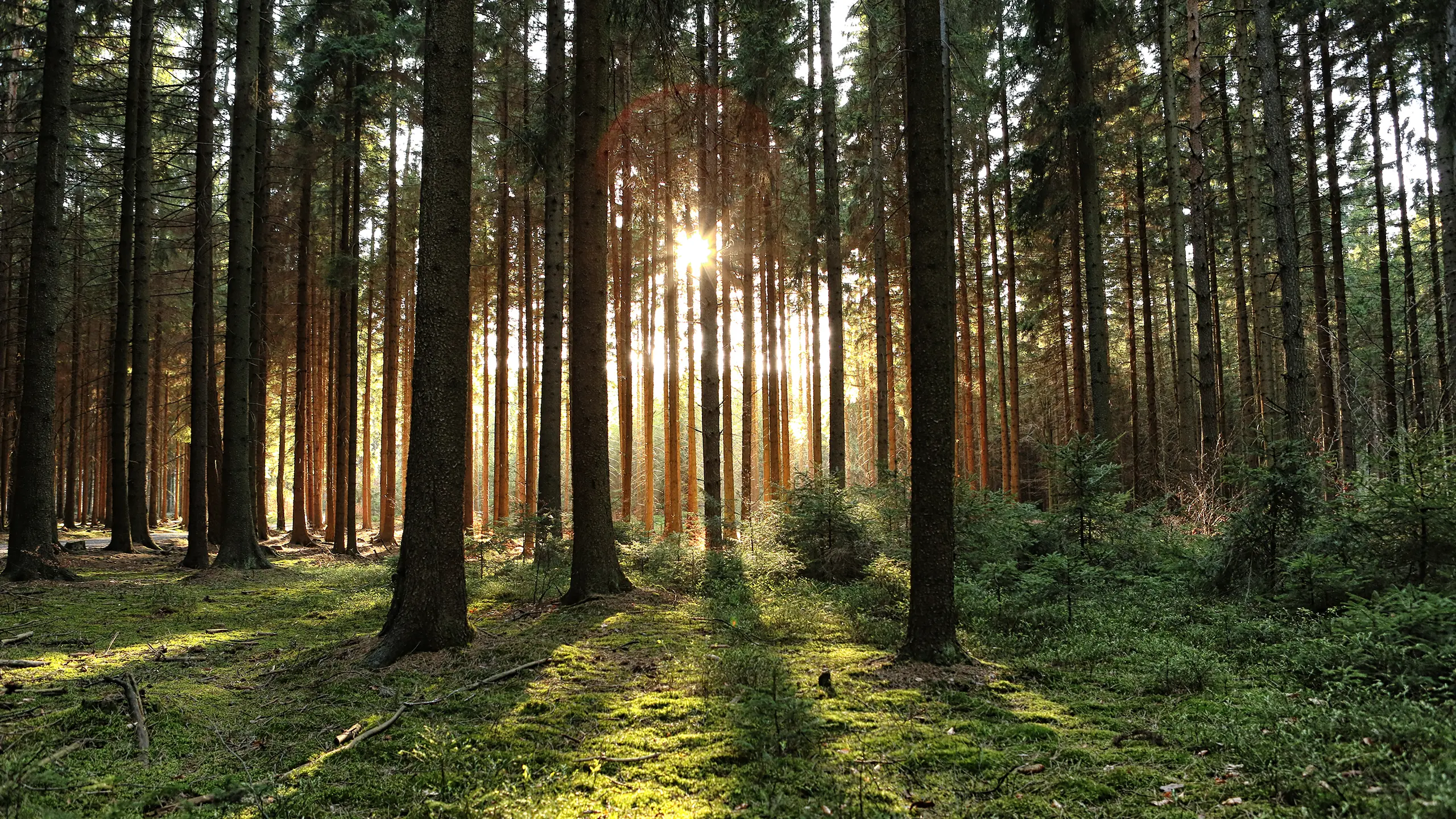
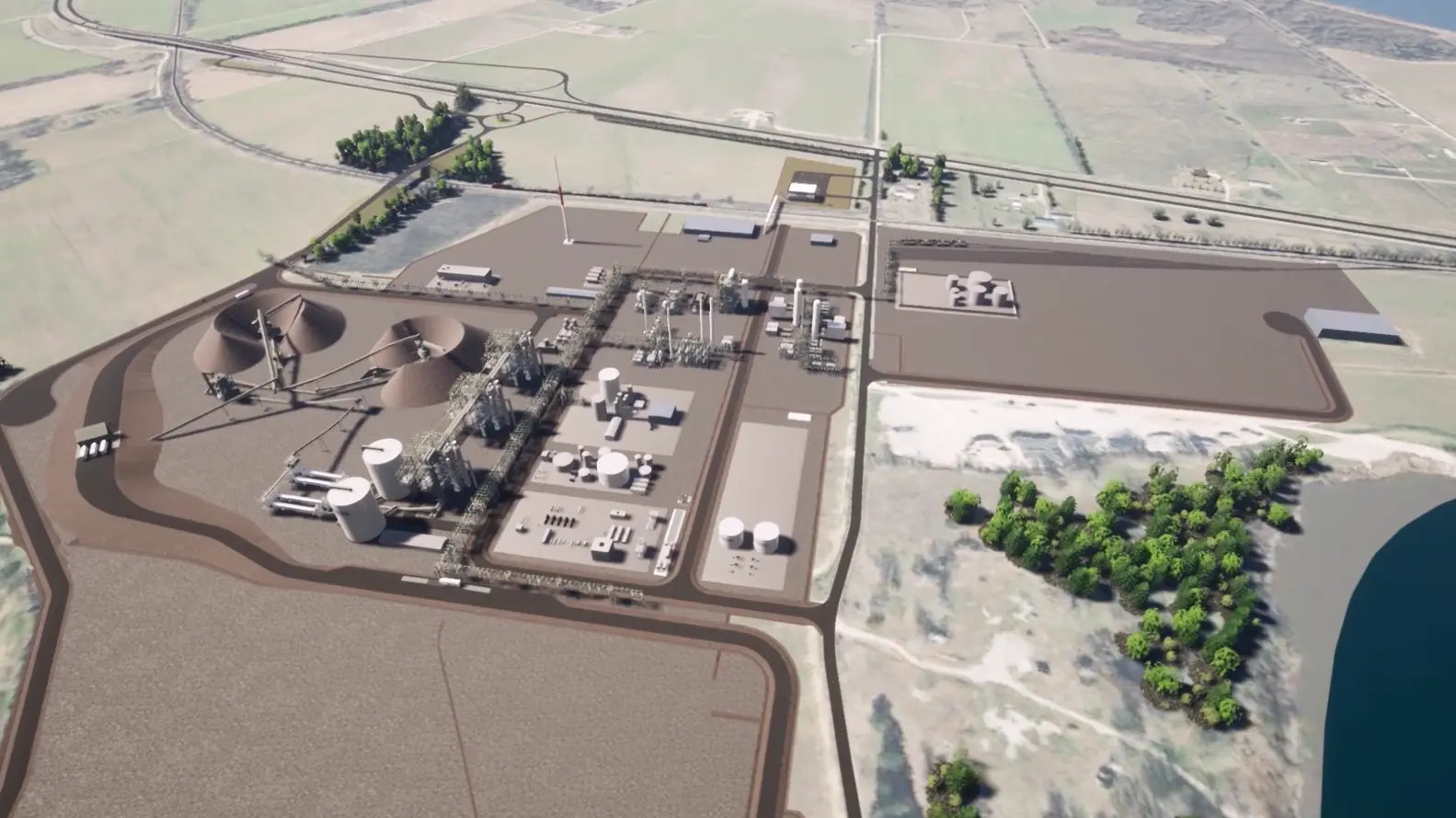
Louisiana Green Fuels (LGF) is pioneering a new era of sustainable energy. Our first-of-its-kind facility will generate 100MW of renewable, wood-fired power combined with carbon capture and sequestration (CCS), making it one of the most advanced carbon-negative projects in the United States.
Located at the Port of Columbia in Caldwell Parish, LGF will deliver 75 MW dispatchable (24/7), carbon-negative electricity to the grid while creating jobs and revitalizing the local economy.
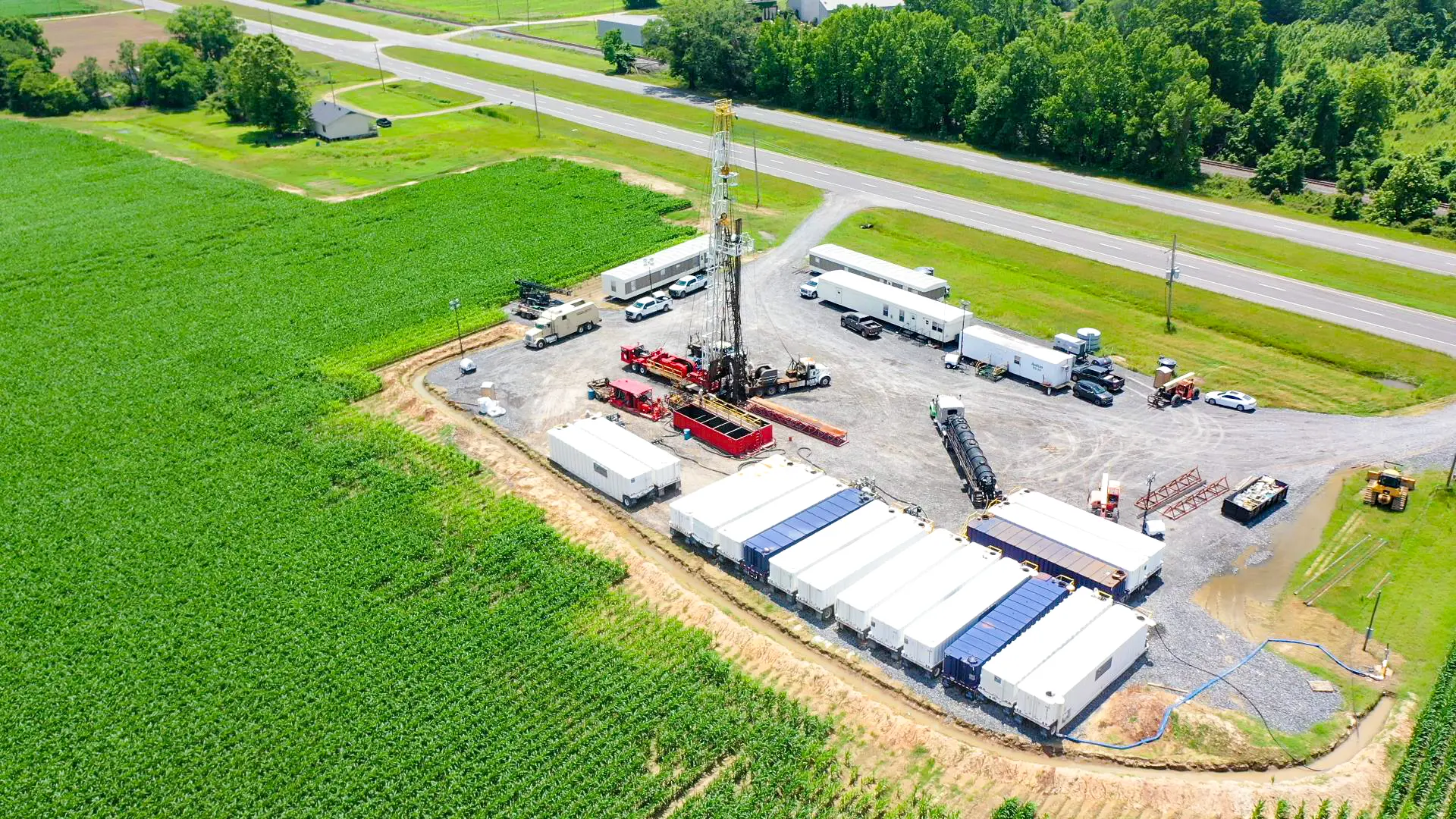
Phase 1 focuses on building a 100MW wood fired power plant with commercially proven Carbon Capture and Sequestration (CCS) technology in an area chosen for its ideal geology, abundant forestry waste, and strong community support. By placing the plant directly above a company-controlled underground reservoir, LGF can safely store the approximately one million tons of captured CO₂ each year without relying on large diameter, long CO2 pipelines. LGF anticipates Phase 2 being the addition of a Sustainable Aviation Fuel biorefinery or additional low-carbon power generation to the Port of Columbia site. LGF will not bring CO2 into the Parish by pipeline from industrial sources outside the Parish.
This approach not only delivers carbon-negative electricity to Louisiana’s growing renewable energy market but also creates meaningful economic opportunities for the region.
This is more than an energy project – it will transform economic opportunity in Caldwell Parish for years to come and serve as a model for how clean energy can deliver tremendous community impact.

Approximately 1.3 million tons per year of forestry waste will be used as the feedstock for the 100 MW power plant. Approximately 25 MW will be used to operate the power plant, capture the CO2 it would have emitted, and permanently sequester the CO2 about a mile underground.

The remaining 75 MW of clean, carbon-negative electricity will be put onto Louisiana’s electric grid, improving its carbon footprint.

Sequestering the 1.1 million metric tons per year of CO2 from plant operations is equivalent to removing nearly 240,000 passenger cars from the road.
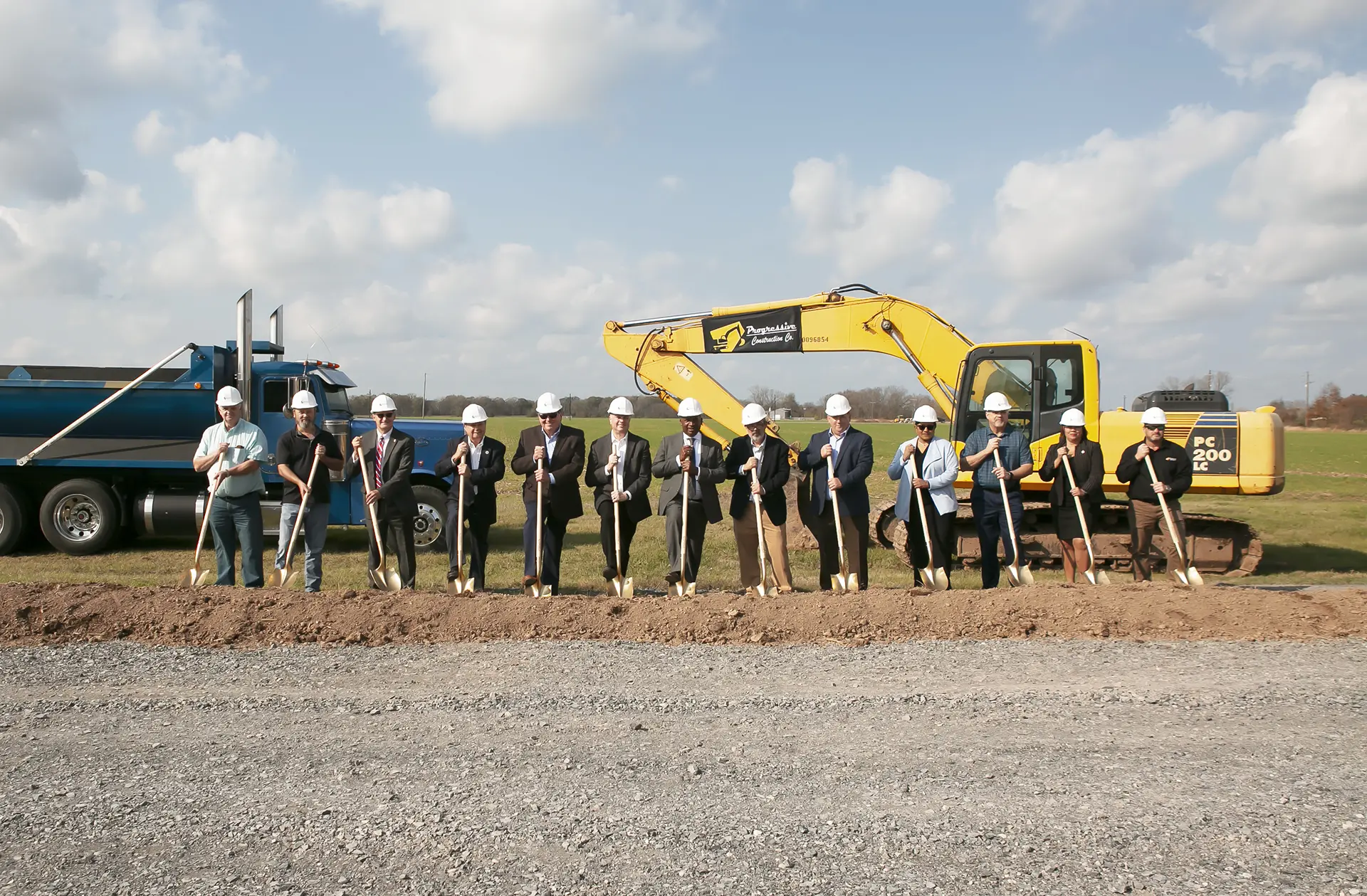
What does carbon-negative mean?
Carbon negative means that more carbon is removed from the atmosphere than is put into it because of the overall power production process. Trees capture CO2 from the atmosphere and hold it, but only for as long as the tree is alive. Because the CO2 captured from the trees that will be used to produce electric power originally came from the atmosphere by photosynthesis (as opposed to carbon emissions from long-buried fossil fuels) and would eventually return to the atmosphere in a natural biological process, the power production process itself does not add atmospheric carbon emissions. It is instead considered carbon neutral. But since LGF will capture and store the CO2 emitted from the power plant, permanently removing it from the atmosphere, the carbon footprint of the plant becomes carbon negative.
Where does the forestry material come from?
We will use forestry wastes, primarily plantation pine thinnings augmented with hardwood thinnings —from Louisiana’s managed, sustainable forestry industry. This reduces decay and burning while supporting local forestry jobs. The source of all feedstock will be audited to confirm that it meets sustainability requirements under the federal Renewable Fuel Standard.
Is carbon storage safe?
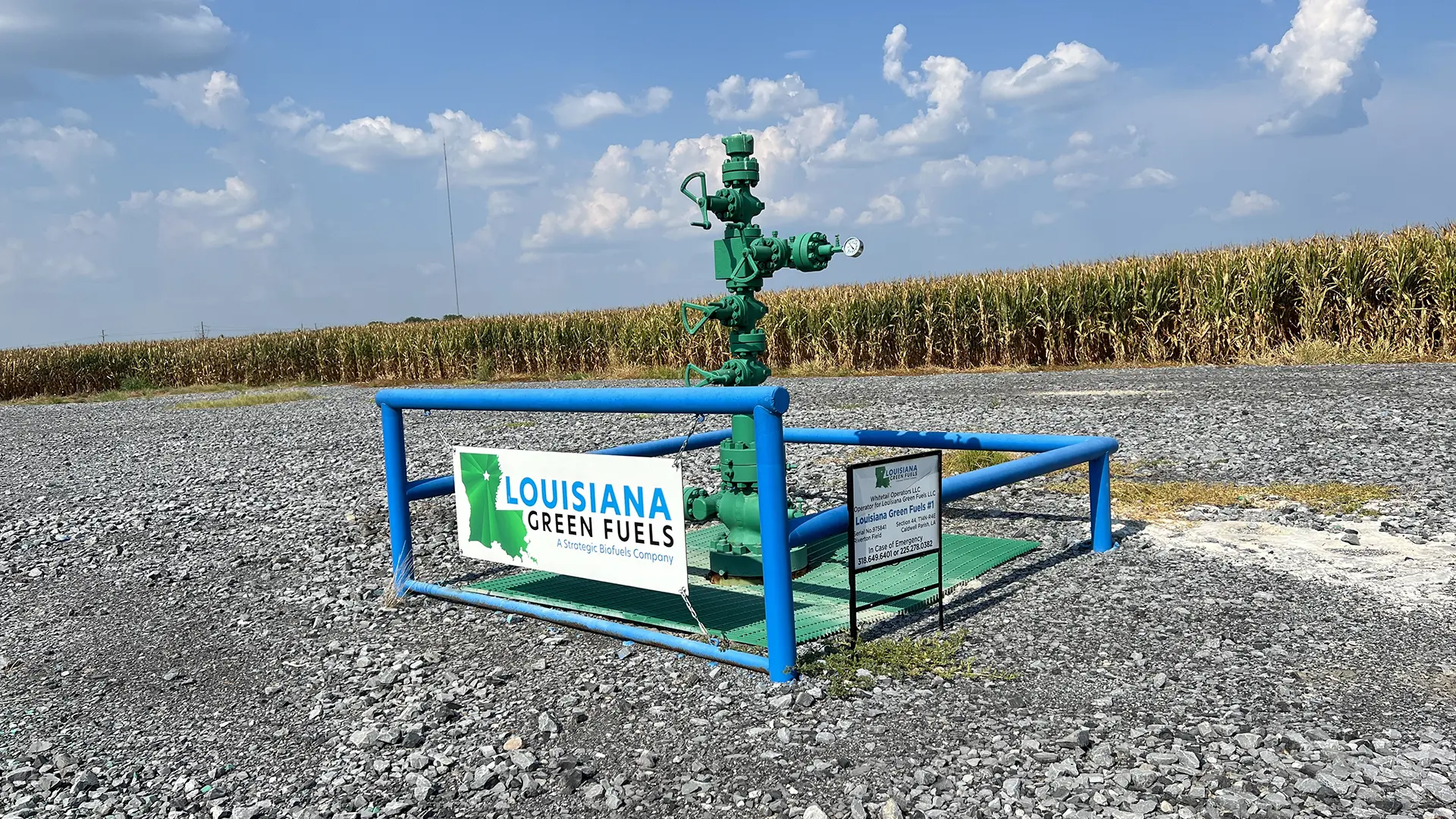
Yes. Our geologic reservoir is ideal for sequestration, with no faulting and only a very few penetrations of the Confining Layer. It will be constructed and monitored under rigid U.S. EPA and Louisiana Class VI standards and reinforced by advanced modeling and engineering. In over 50 years of oilfield EOR operations and sequestration injections of CO2 underground, there has never been a documented case anywhere in the world where the CO2 has entered a drinking water aquifer.
Will your pipelines be dangerous?
Unlike most sequestration projects in Louisiana, LGF will not be bringing CO2 into Caldwell Parish from industrial sources outside the Parish. This eliminates the need for long, large diameter carbon dioxide pipelines. LGF will have a total of about 4 miles of small diameter CO2 pipelines between the sequestration wells. It will have multiple automatic shutdown systems, public warning systems, and 24/7 on site monitoring. It is important to note that in the 50-year history of over 5,000 miles of CO2 pipelines in the US there have never been any fatalities and only one serious injury (a contractor working with a backhoe). This safety record is unmatched by any other type of industrial pipeline.
How does LGF benefit the community?
The project creates 75 full-time jobs with an average salary of about $80k, another 380 indirect jobs, and increases Caldwell Parish’s tax base by millions of dollars — in one of the poorest regions in the U.S.
